NEWS

10/5/2026
Governments in the Age of AI: RIL Colombia supports five municipalities in adopting artificial intelligence
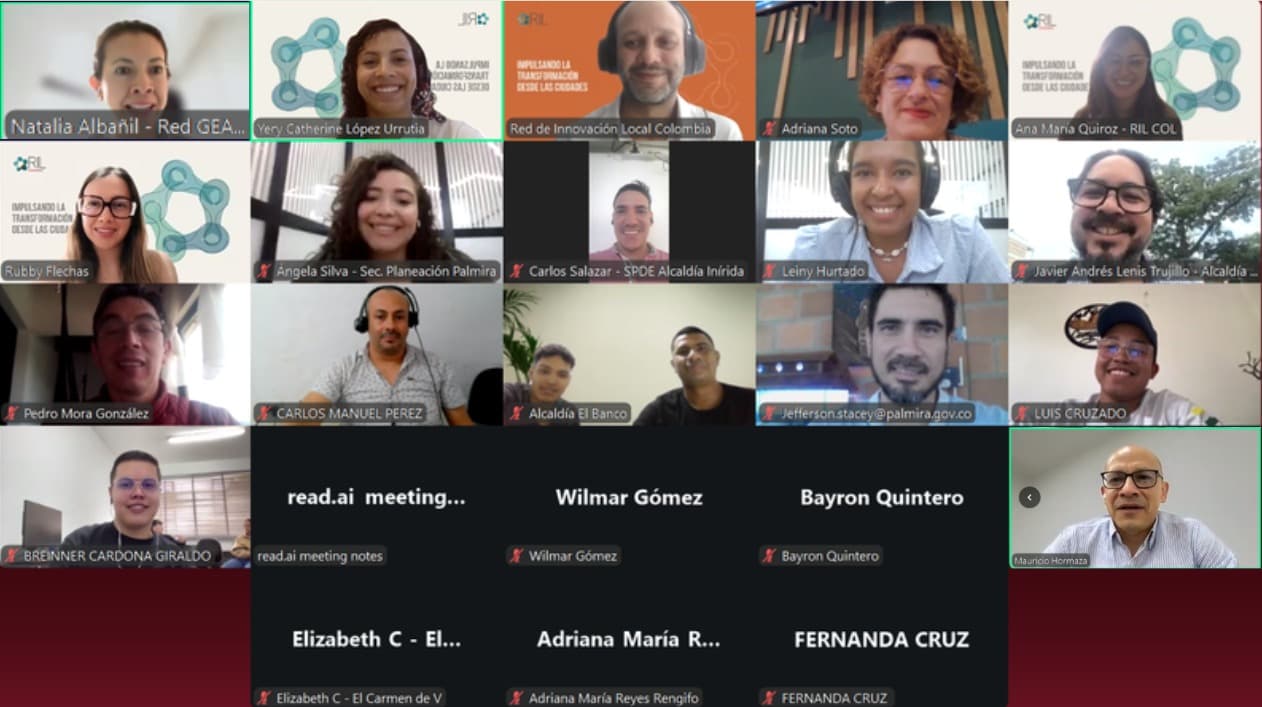
RIL Colombia launched Governments in the Age of AI, a training and strategic support program that seeks to bring artificial intelligence closer to municipal teams and turn it into a practical tool for improving public management.
The program starts with a central question: how can local governments harness AI to better address the everyday challenges of public management?
Throughout the program, teams will work on practical applications such as analyzing information about their territories, drafting technical documents, and improving citizen services. The goal is for them to incorporate these tools in an agile and secure way, guided by clear criteria for ethics, transparency, and the protection of public data.
The initiative also seeks to reduce the gaps in access to innovation between Colombia’s major capitals and its intermediate and rural municipalities. For RIL Colombia, bringing these technologies closer to local governments is an opportunity to strengthen their capabilities and move toward more efficient management, without innovation depending on large budgets.
The program combines local experiences with the knowledge of RIL’s regional network to support teams in moving from exploration to implementation: identifying opportunities, testing tools, and finding applications that respond to the specific needs of each municipality.
The program began on September 24, with a session led by **Ana María Quiroz, Acelerar Coordinator at RIL Colombia, together with representatives from the municipal governments of El Banco (Magdalena), El Carmen de Viboral (Antioquia), Palmira (Valle del Cauca), Puerto Inírida (Guainía), and La Sierra (Cauca).
The session also featured Natalia Albañil, Manager of the Inter-American Network for Digital Government (Red GEALC), who summarized one of the main challenges of this transformation:
“The future of Artificial Intelligence in the public sector depends on the talent that makes it possible.”
Through Governments in the Age of AI, RIL Colombia aims to enable more municipal teams to learn about, experiment with, and apply these technologies based on their own realities, strengthening their capabilities to build more efficient governments that are closer to citizens.